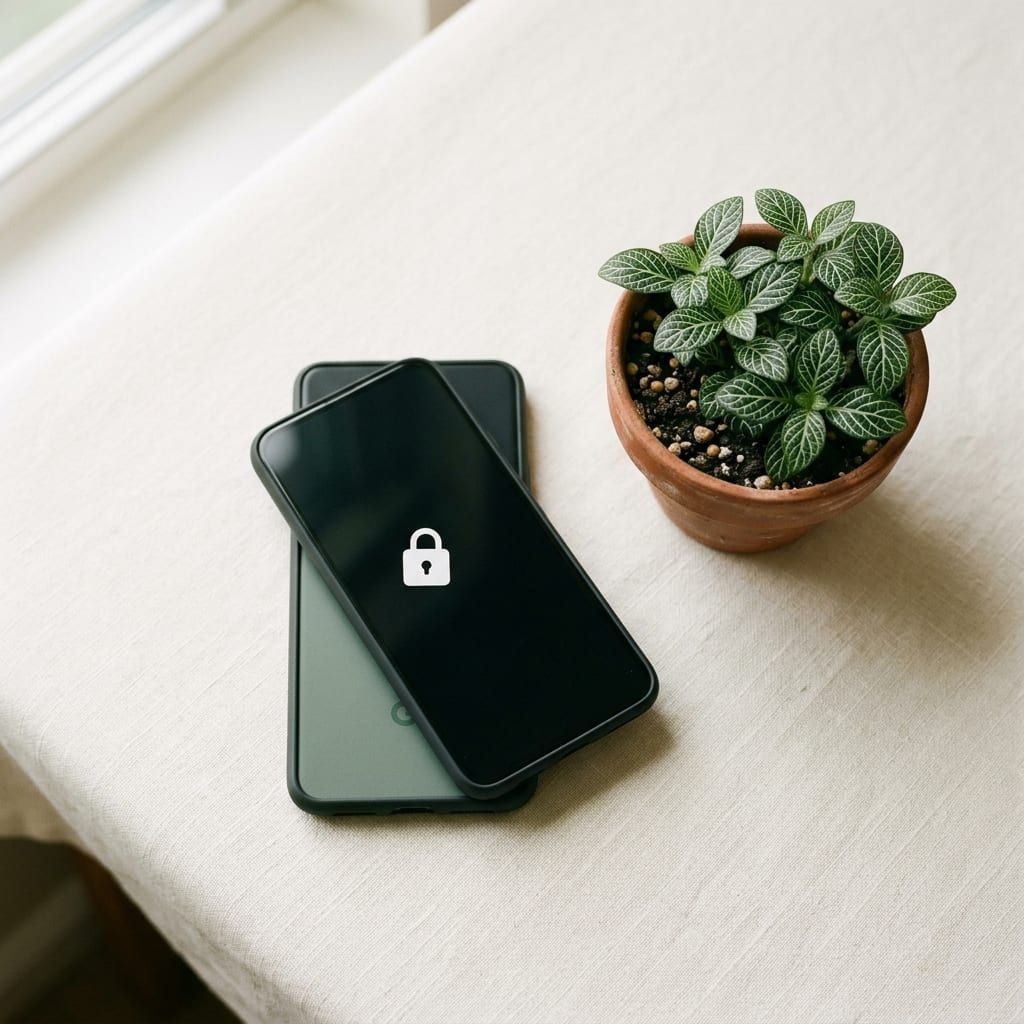


Why Willpower Alone Will Never Break Your Phone Addiction
The most important thing to understand about phone addiction is that it is not a character flaw. It is the predictable outcome of billion-dollar platforms deliberately engineering compulsive behaviour using the most sophisticated psychological techniques ever deployed at scale. Your phone is not accidentally addictive. It was designed, tested, and iterated to be as difficult to put down as possible. Willpower is a limited cognitive resource that depletes throughout the day. The platforms you are trying to resist operate 24 hours a day, are staffed by teams of behavioural scientists, and never get tired. The only sustainable path is not more willpower — it is smarter system design.
Step 1: Understand Your Specific Trigger Pattern
Phone addiction is not one thing. For most people it is a cluster of specific triggers — boredom, anxiety, social discomfort, procrastination, loneliness — that reliably produce the urge to reach for the phone. Before you can change the behaviour, you need to map the trigger. For the next three days, every time you pick up your phone compulsively, pause for two seconds and ask: what was I feeling just before I reached for it? Write it down. Most people discover they have two or three dominant triggers. This is the data you need to build an effective plan.
- The most common triggers: boredom (41%), anxiety/stress (28%), habit/reflex (22%), loneliness (9%).
- Knowing your trigger lets you build a specific replacement behaviour — the key to habit change.
- Pause automatically tracks what feeling precedes each urge event, revealing your pattern over time.
Step 2: Create an If-Then Plan for Each Trigger
Research by psychologist Peter Gollwitzer shows that specific If-Then plans — also called implementation intentions — are significantly more effective than general goals. 'I will use my phone less' is a general goal. 'When I feel bored at my desk, I will stand up and walk to the kitchen for water' is an implementation intention. The specificity is what makes it work. Your brain pre-commits to the replacement behaviour, so when the trigger fires, the new behaviour activates automatically rather than requiring a conscious decision.
Step 3: Add Structural Friction, Not Just Motivation
Motivation fades. Structure does not. The most effective structural interventions for phone addiction are: charge your phone in a room other than your bedroom, keep your phone in a bag or drawer during focused work, delete the three apps you use most compulsively from your home screen so they require deliberate navigation to open, and turn off all notifications except direct calls. Each of these creates friction that slows the automatic reach-and-open cycle. You are not blocking yourself — you are just adding enough pause for your prefrontal cortex to participate in the decision.
Step 4: Use Mindful Friction at the Moment of the Urge
This is where Pause directly helps. When you feel the urge to open a social media app, Pause intercepts that moment and guides you through a 60-second breathing exercise before the app opens. This is not a block — you can still go in if you choose. But that 60-second gap is transformative. It shifts the decision from automatic to conscious. Over weeks, the breathing exercise rewires the neurological association between the trigger and the scrolling behaviour. This is exactly the same mechanism as cognitive behavioural therapy — interrupt the automatic pattern, introduce a deliberate pause, and allow the rational brain to choose.
How Long Does It Take to Break Phone Addiction?
Habit research consistently shows 21–66 days for meaningful behavioural change, with the most dramatic shifts happening in the first two weeks. Most Pause users report that their compulsive checking behaviour reduces significantly within 7–10 days of using the app. The first week is the hardest. By week three, the new pattern begins to feel normal. Breaking phone addiction is not a single event — it is a gradual rewiring. Give yourself the full month and track your Pause Success Rate to see the measurable improvement over time.