

Why Most Advice for Using Your Phone Less Fails
The standard advice — 'just put your phone down' or 'be more mindful' — fails because it places the entire burden on conscious, in-the-moment willpower. But phone habits are largely automatic. They activate below conscious awareness, triggered by context, emotion, and environmental cues long before your prefrontal cortex gets involved. The strategies that actually work operate at the system level — changing the environment and adding structural friction rather than relying on moment-to-moment self-control.
Strategy 1–3: Change Your Physical Environment
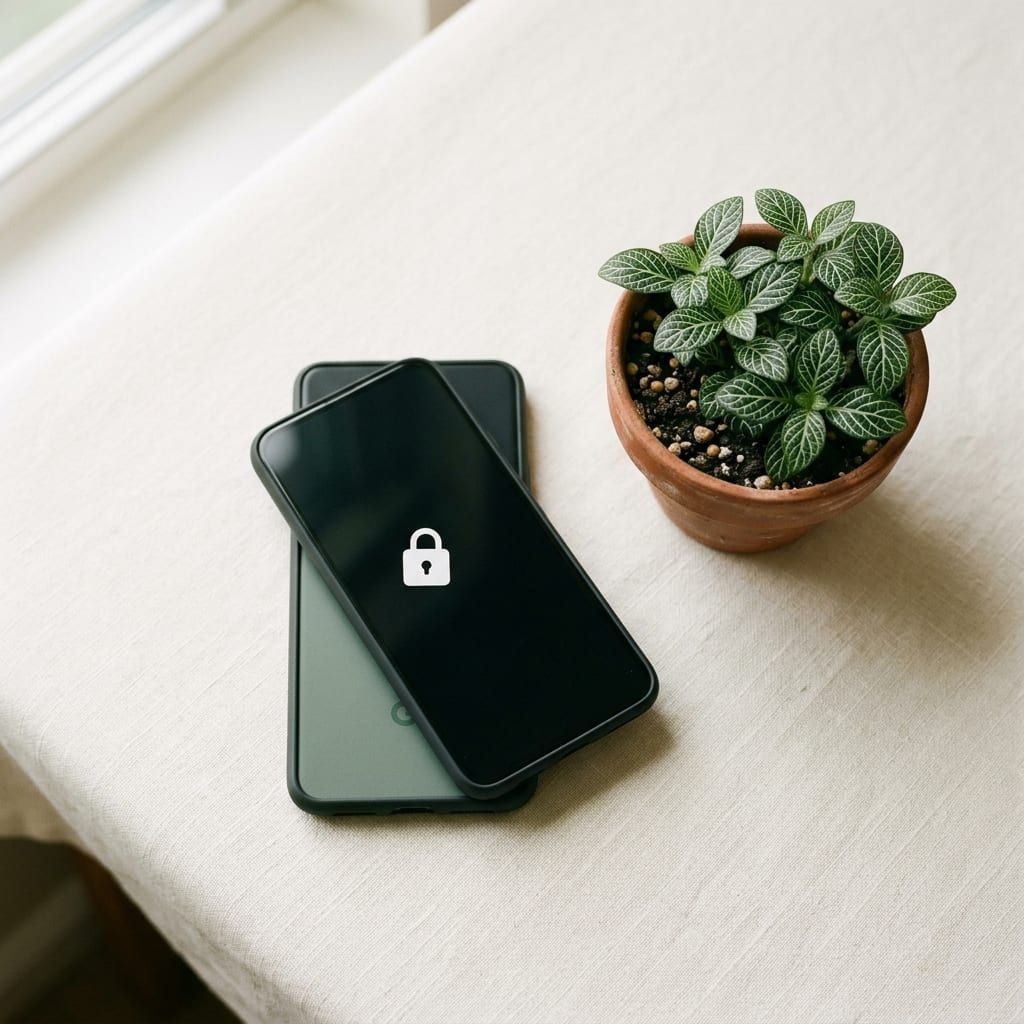
The three highest-impact environmental changes: First, charge your phone in a different room overnight — this eliminates the bedside phone habit that starts and ends every day. Second, create a phone-free zone at your desk by keeping your phone in a drawer or bag during work hours — research shows that even a visible, silenced phone reduces cognitive capacity. Third, buy a physical alarm clock and a physical watch — this eliminates the two most common excuses to check your phone (checking the time and setting an alarm).
- Physical separation from your phone reduces phone use by an average of 26% without any other intervention.
- A phone face-down on a desk reduces cognitive performance by 17% compared to a phone in another room.
- Most people check their phone 58 times per day; the majority of checks are for time or notifications.
Strategy 4–6: Redesign Your Phone Itself
Remove social media apps from your home screen and bury them inside a folder on a second screen. This adds 3–5 seconds of friction to each opening — enough to make reflexive checks less likely. Delete the apps you use most compulsively entirely and access them only via browser, which is significantly less engaging. Turn your display to greyscale — the absence of colour removes a powerful visual reward signal and consistently reduces average daily screen time by 20–40 minutes.
Strategy 7–8: Replace the Behaviour, Not Just Stop It
Attempting to stop a habit without a replacement is significantly less effective than substituting an alternative behaviour. For every scroll session you want to eliminate, identify a specific replacement: a 5-minute walk, making a cup of tea, doing 10 push-ups, calling someone. The key is that the replacement must be as immediately accessible as the phone and address the same underlying need — usually the need to escape boredom, anxiety, or discomfort for a moment.
Strategy 9–10: Use Mindful Friction and Track Progress
Strategy 9 is to install Pause — which adds a mandatory 60-second breathing exercise before every social media app you open on your phone. This creates mindful friction at the exact moment the compulsive behaviour activates. Strategy 10 is to track your progress. Pause's Insights screen shows your Pause Success Rate, peak urge times, and most common feelings before scrolling. What gets measured gets managed. Watching your success rate improve from 40% to 70% over three weeks is both motivating and deeply informative about when and why you are most vulnerable.