

Why Smartphones Are Especially Hard to Put Down With ADHD
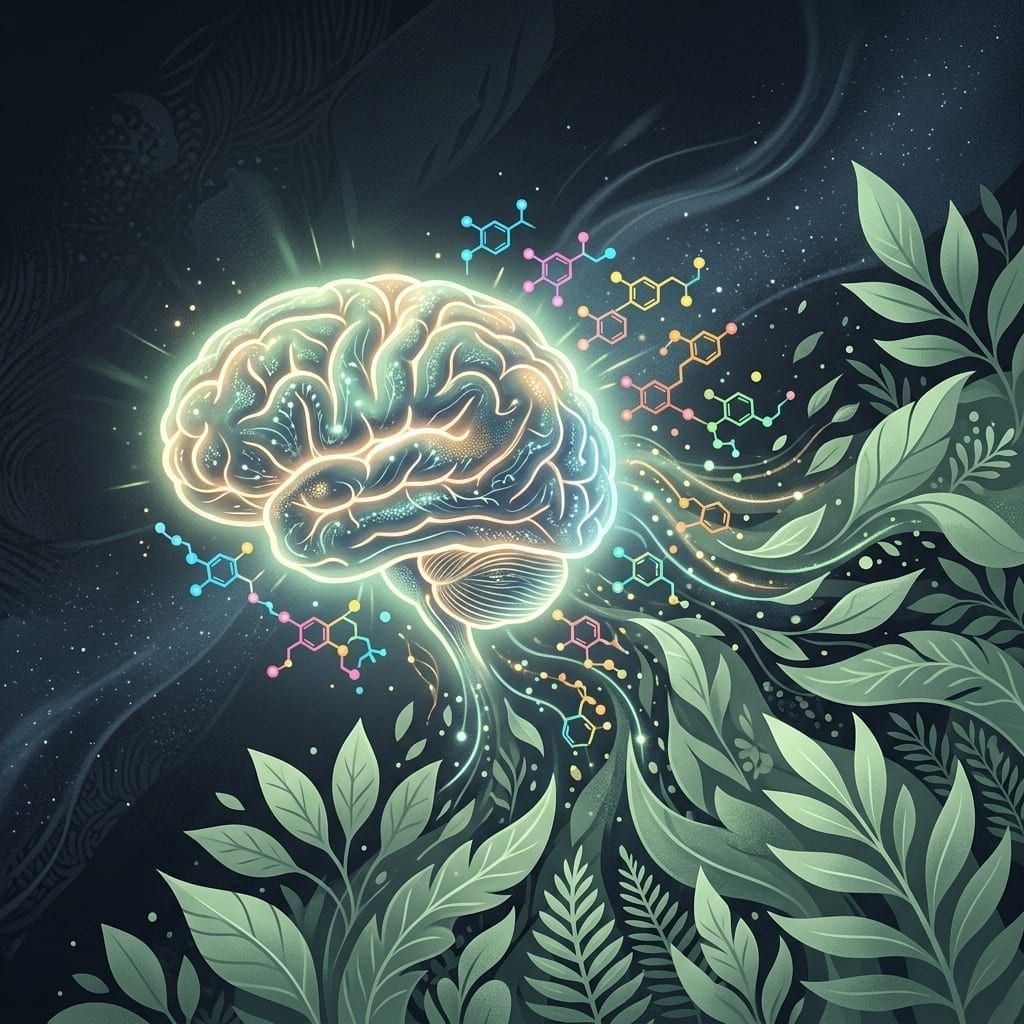
ADHD is fundamentally a disorder of dopamine regulation, not attention. People with ADHD have fewer dopamine receptors and lower baseline dopamine levels, which causes their brains to constantly seek out novel, high-stimulation activities to feel regulated. Smartphones — with their infinite scroll feeds, notification systems, and variable rewards — are essentially dopamine-delivery machines engineered precisely for this vulnerability.
The ADHD Hyperfocus and Phone Trap
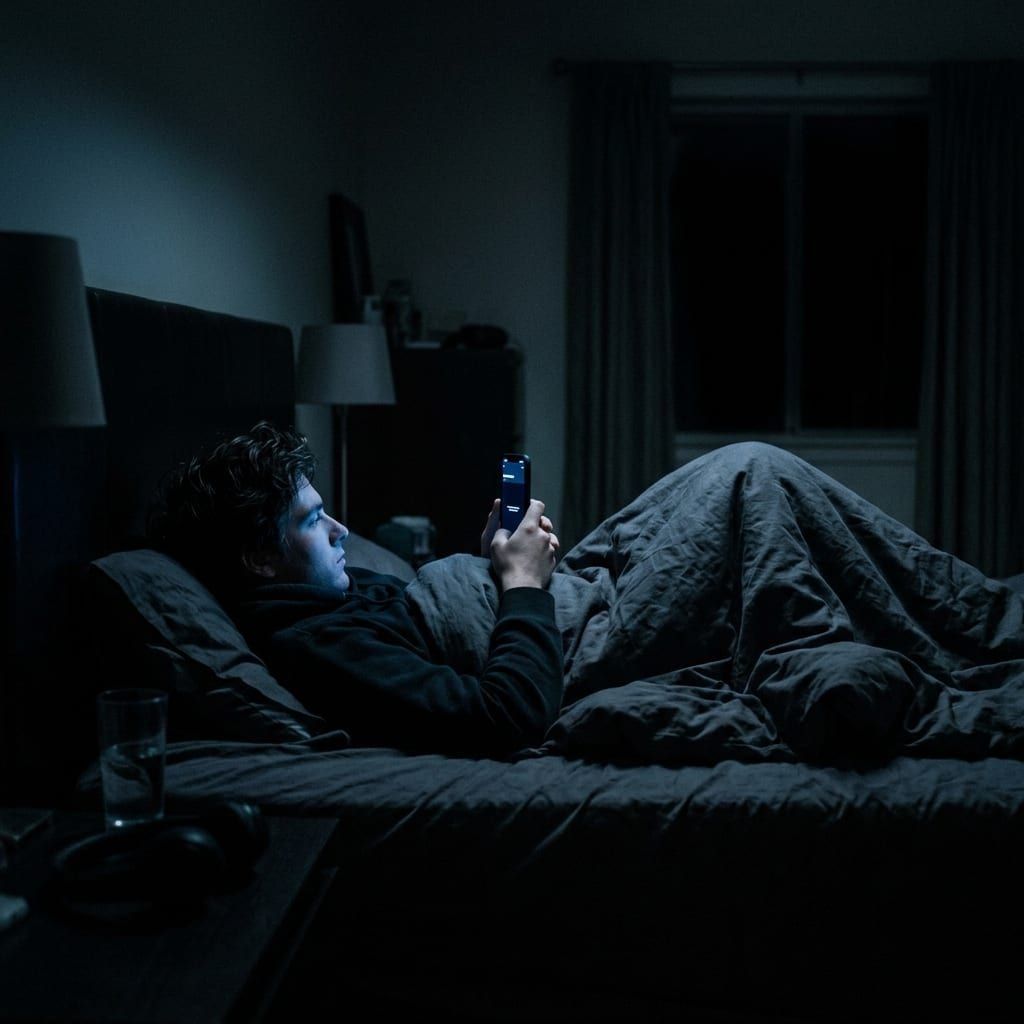
Hyperfocus is one of the most misunderstood ADHD traits: the ability to become completely absorbed in a highly stimulating activity for hours. When hyperfocus locks onto a social media feed, it becomes almost impossible to break without an external interrupt.
- People with ADHD spend an estimated 40% more time on their phones than neurotypical people.
- Phone use often triggers shame spirals ('I wasted another 2 hours'), which ironically increases the urge to self-soothe by scrolling again.
- Standard timers and blockers feel like restrictions from authority — ADHD brains actively resist them.
Why Screen Blockers Backfire for ADHD
Standard app blockers create a wall that the ADHD brain immediately wants to go around. The frustration and restriction trigger a defiance response, and workarounds are found almost instantly. This is not a lack of willpower — it is neurological. The ADHD brain requires novelty and autonomy, which rigid restriction directly opposes.
Why Mindful Friction Works Better for ADHD
Rather than a hard block, Pause creates a soft, engaging interrupt. The 60-second breathing animation is novel and gives the ADHD brain something to do in that moment. More importantly, it creates a break in the hyperfocus loop without triggering the shame or defiance that app blockers cause. Many users with ADHD report that the brief pause is just enough time for their brain to surface from hyperfocus and redirect their attention intentionally.