
Why Doomscrolling Before Bed Is So Hard to Stop
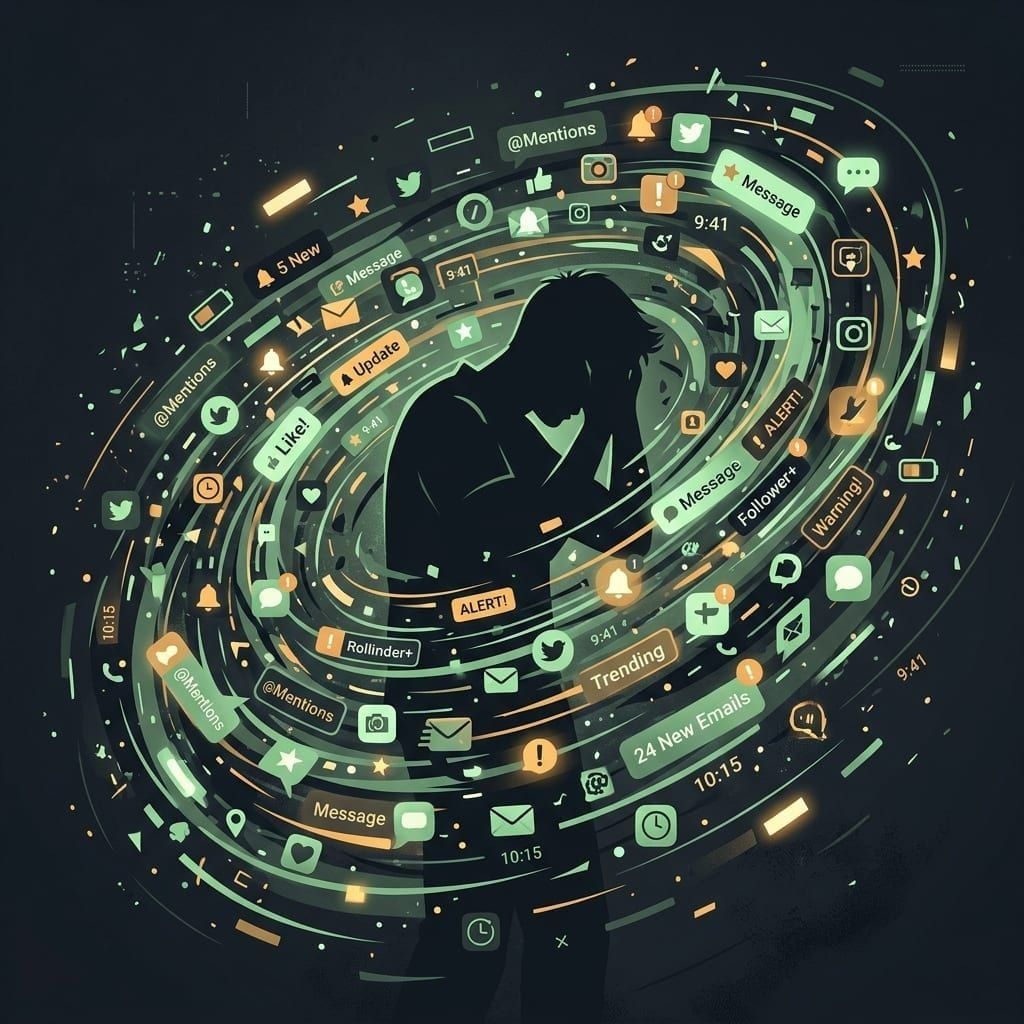
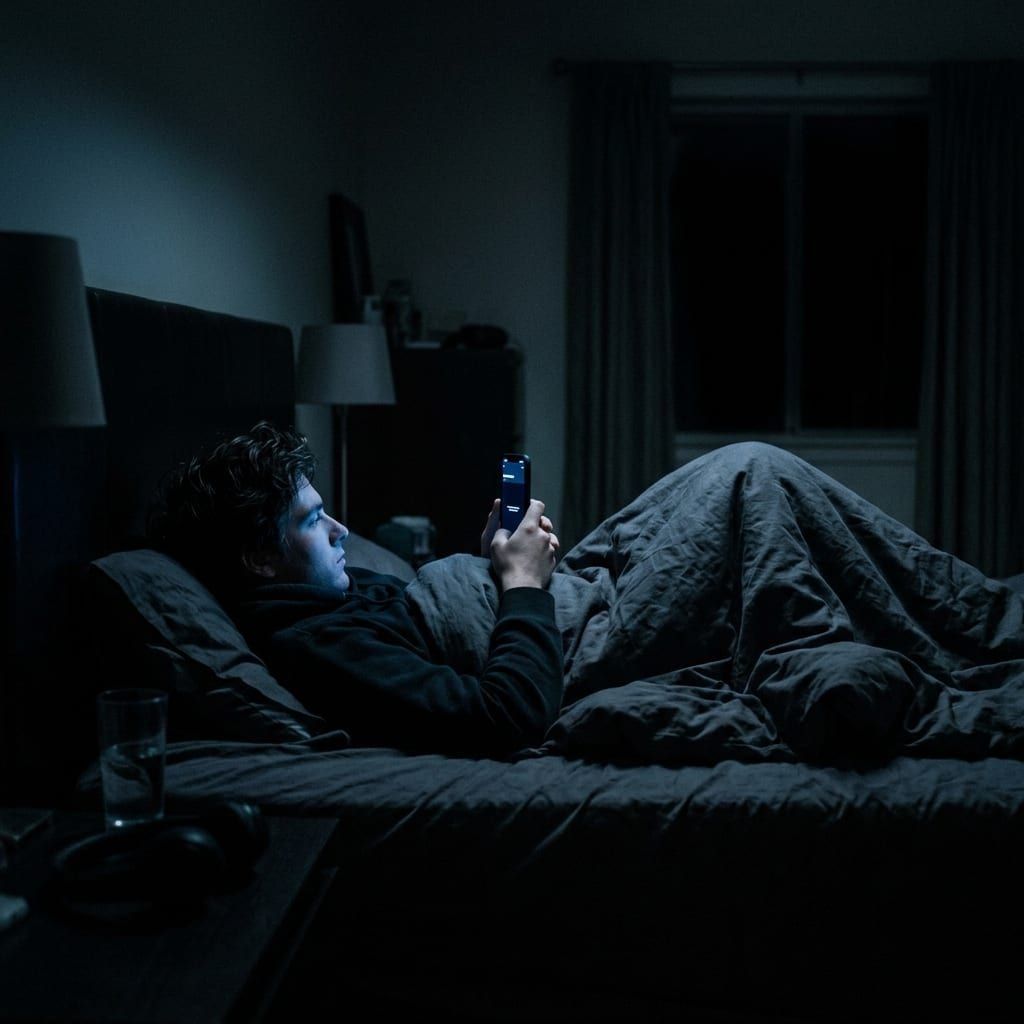
It starts innocently. You are in bed, a little restless, so you pick up your phone just to check one thing. Forty-five minutes later, you have watched three videos, read two alarming news articles, and now your mind is racing with anxiety. Nighttime is when doomscrolling is at its most dangerous — your psychological defenses are lowered and your brain is primed to be emotionally reactive. The compulsive scroll loop exploits exactly this vulnerability.
What Blue Light and Negative Content Do to Your Brain
Your phone screen emits blue light, which suppresses melatonin — the hormone your brain produces to signal sleep. Research from Harvard Medical School shows that blue light exposure in the two hours before bed delays melatonin production by up to three hours. You are not just 'a little wired.' You are physiologically being kept awake.
- Blue light before bed reduces total sleep time by an average of 30 minutes.
- Anxiety from negative news content spikes cortisol, a wake-up stress hormone.
- Social media stimulation keeps your prefrontal cortex active when it needs to wind down.
Why Willpower Alone Fails at Night
Willpower is a finite resource that depletes throughout the day. By bedtime, your ability to self-regulate is at its lowest point. This is why you can successfully avoid social media all day and then spend an hour on TikTok at midnight. Relying on willpower alone to put your phone down is a losing strategy — you need a structural interrupt, not more discipline.
The One Habit That Breaks the Nighttime Scroll Cycle
The most effective way to stop doomscrolling before bed is not a willpower pledge but a brief, automatic pause between the urge and the action. Configure Pause to activate on your most-used apps. The 60-second breathing exercise acts as a circuit breaker. In those 60 seconds, your prefrontal cortex has time to say 'I should be sleeping right now.' That one small moment changes the trajectory of your entire night.