
How Your Phone Is Degrading Your Sleep Quality
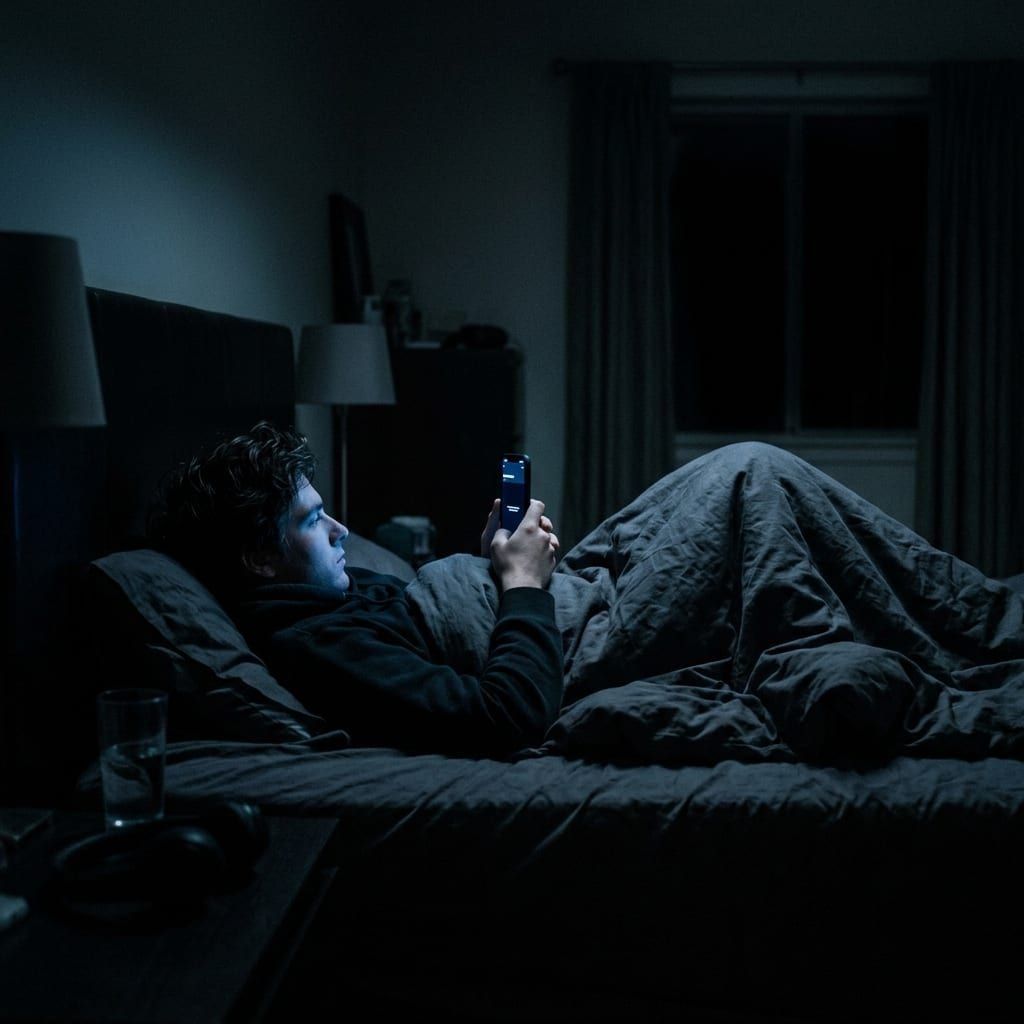
Sleep scientists distinguish between sleep quantity and sleep quality. You might be in bed for eight hours but still wake up exhausted if your sleep architecture is disrupted. Phone use before bed degrades sleep quality in three distinct ways: blue light suppresses melatonin production, emotionally stimulating content raises cortisol and keeps your nervous system activated, and the dopamine system stays primed rather than winding down. The result is longer time to fall asleep, less deep sleep, and more nocturnal awakenings.
The Two-Hour Rule (And Why It Works)
Sleep researchers recommend avoiding screens for at least two hours before bed. Most people know this recommendation and ignore it because it feels extreme. Here is why it is not: melatonin production begins signaling sleep approximately two hours before your natural sleep time. Blue light directly suppresses this signal. Each hour of screen exposure in that window delays melatonin onset by roughly 30-40 minutes — meaning a person who uses their phone until midnight and tries to sleep at midnight may not actually feel sleepy until 1am or later.
- Just 30 minutes of blue light exposure before bed reduces melatonin by up to 22%.
- Evening social media use is associated with a 60% higher likelihood of reporting poor sleep quality.
- People who charge their phone outside the bedroom fall asleep an average of 37 minutes faster.
The Bedroom Phone Banishment Rule
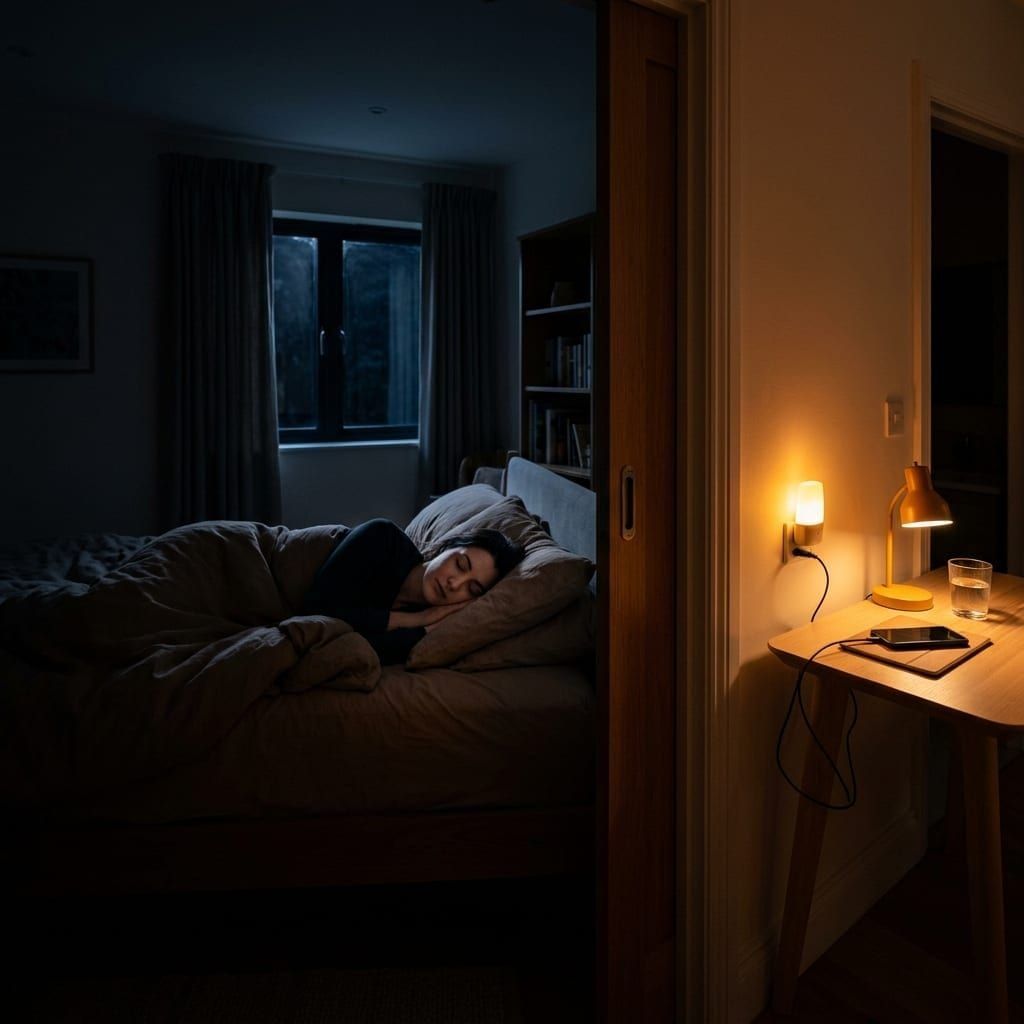
The single highest-impact habit change for sleep is charging your phone outside your bedroom. This eliminates the largest source of sleep disruption — the bedside phone — in one structural decision. Buy a separate alarm clock (they cost under $15). Charge your phone in the hallway or kitchen. Every sleep researcher who has studied this habit change reports the same finding: it works quickly and dramatically, often within the first week.
What to Do Instead of Scrolling Before Bed
The scroll habit persists because it serves a real function: it is how most people decompress from the day. You need to replace it with something that serves the same purpose without the cognitive activation. Reading a physical book consistently outperforms every other pre-sleep activity in sleep research. Others that work well: journaling (particularly writing down tomorrow's tasks to clear them from your mind), light stretching, a warm shower, or a brief breathing practice. Pause's breathing exercise is specifically designed for this transition.
The Sleep-Stress-Scroll Cycle and How to Break It
There is a cruel irony in phone-disrupted sleep: poor sleep increases anxiety and reduces impulse control, which makes it harder to resist scrolling the next night, which further disrupts sleep. Breaking this cycle requires interrupting it from both ends simultaneously. Use Pause to intercept evening social media sessions. Charge your phone outside the bedroom. Within two to three weeks, better sleep will make it significantly easier to resist the scroll, and less scrolling will make sleep measurably better. The cycle works in both directions.