
Why Bed Is the Worst Place for Your Phone
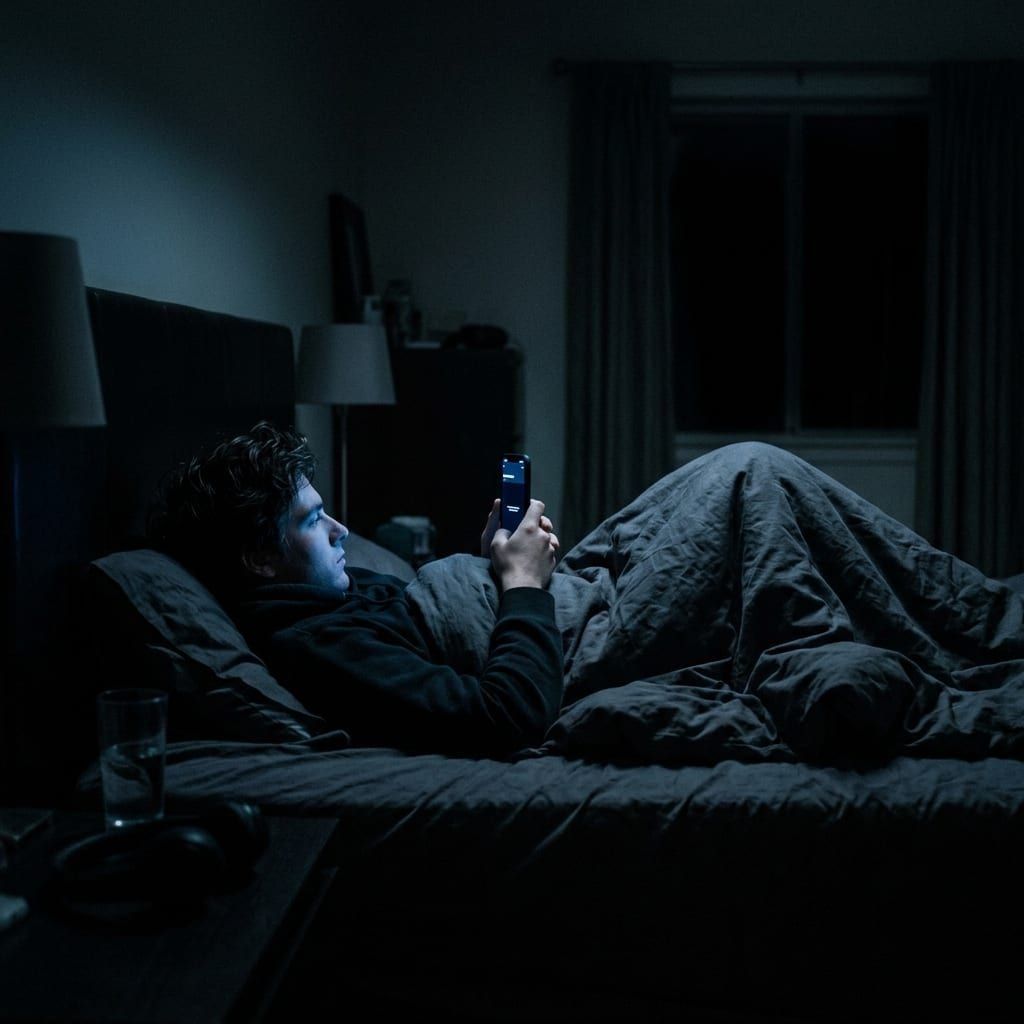
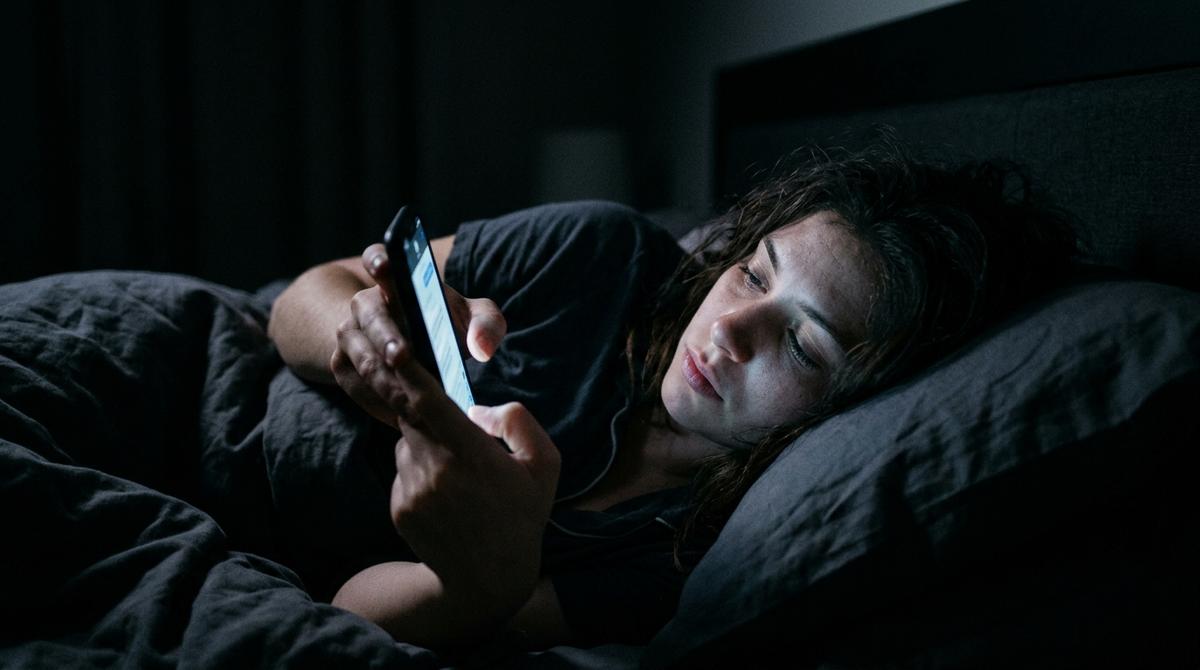
Your bed is supposed to be a cue for sleep. But if you spend 45 minutes doom scrolling before you close your eyes, you are conditioning your brain to associate your bed with emotional arousal, social comparison, outrage, and anxiety — the exact opposite of the psychological state needed for sleep onset. This conditioning builds over weeks and months into a deeply ingrained habit loop that makes both falling asleep and putting your phone down feel genuinely difficult.
The Neuroscience of Night Scrolling
Three mechanisms make night scrolling particularly destructive. First, the blue light emitted by your screen suppresses melatonin production by up to 50%, delaying your natural sleep onset. Second, the emotionally activating content of social media — news, conflict, comparison, outrage — triggers cortisol release, maintaining physiological alertness. Third, the variable-reward nature of scrolling (what will the next post be?) activates the same dopamine circuits as a slot machine, making it neurologically difficult to stop voluntarily.
- Blue light exposure after 9 PM delays sleep onset by an average of 1.5 hours.
- Social media content increases cortisol levels by 21% in evening use compared to morning use.
- People who use social media in bed take an average of 31 extra minutes to fall asleep.
Five Strategies That Actually Work
The most effective strategies for stopping night scrolling address the habit at the trigger level, not through willpower. Try these evidence-backed approaches: set a physical 'phone dock' outside the bedroom so the phone is physically not accessible; establish a 30-minute wind-down ritual that gives your brain a more appealing alternative to scrolling; use Pause to create a mindful friction layer that interrupts the automatic opener reflex; enable Night Mode across apps to reduce visual stimulation if you must check; and identify your night-scroll trigger — what feeling or situation always precedes reaching for the phone?
The 60-Second Intervention That Changes the Pattern
The most common night-scrolling pattern: you pick up your phone 'just to check one thing', then 45 minutes pass. Pause interrupts this at the very first step. When you open Instagram at 11pm, you get a 60-second breathing exercise. In that minute, you often become aware that you were not actually going to use the app intentionally — you were just reaching for it out of habit. That moment of awareness is frequently enough to put the phone down and go to sleep instead.
Better Sleep Starts With One Conscious Moment
You do not need to ban your phone from the bedroom or install complex parental controls. You need one moment of conscious awareness between the trigger and the action. Download Pause for free and use it tonight. Most users report meaningful sleep improvement within the first week — not because Pause locks you out, but because it gives you the space to choose.