
The Instagram Reality Gap
A 2021 internal Facebook study — revealed in leaked documents — showed that Instagram makes body image issues worse for one in three teenage girls. The platform's own researchers found that the app was toxic for a significant portion of its most vulnerable users, even as the company continued to optimize for engagement. The Instagram vs reality gap is not just a cultural conversation. It is a documented, measured psychological harm.
Why Your Brain Cannot Tell Curated from Real
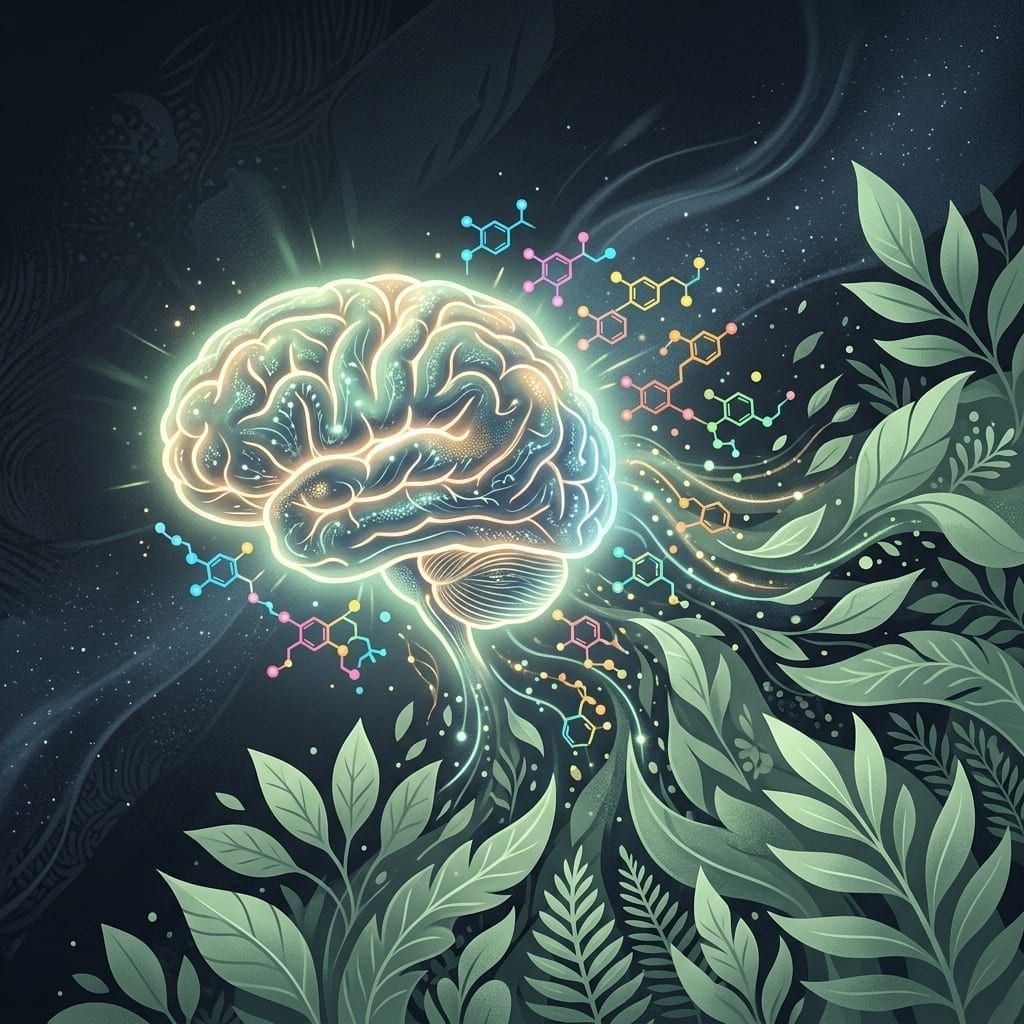
The fundamental problem is evolutionary: your brain evolved to use visual social comparison as a tool for calibrating your place in a group. For most of human history, you compared yourself to the 150 or so people in your immediate community. Instagram exposes you to thousands of the most photogenic, successful, and affluent people on the planet — all in their most carefully curated, professionally lit, filter-enhanced moments. Your brain's comparison circuitry does not adjust for this — it takes the data at face value.
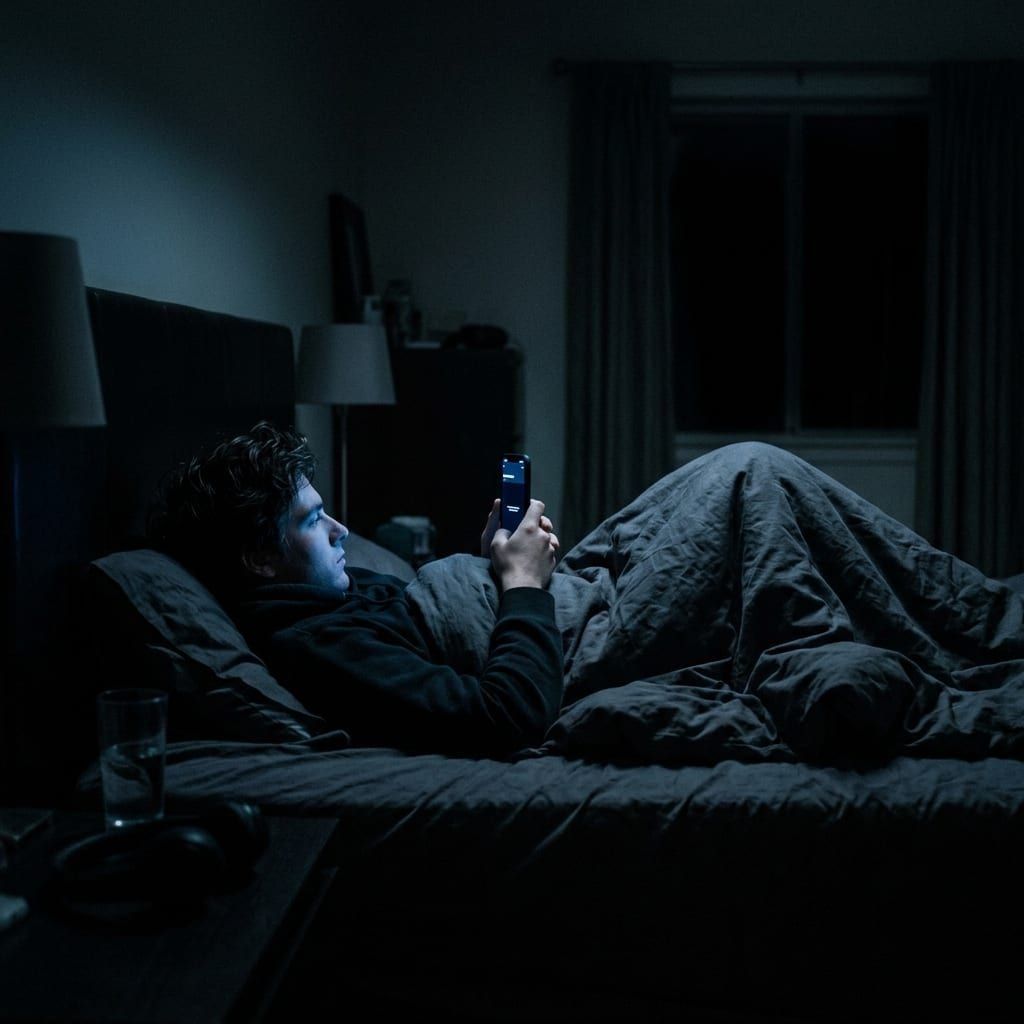
- Users spend an average of 30 minutes per day on Instagram, performing thousands of unconscious social comparisons.
- Seeing idealized images activates the same brain regions as real-world social threat, triggering a genuine stress response.
- The 'Instagram face' phenomenon has driven a measurable increase in cosmetic procedures among young women since 2010.
The Highlight Reel Problem
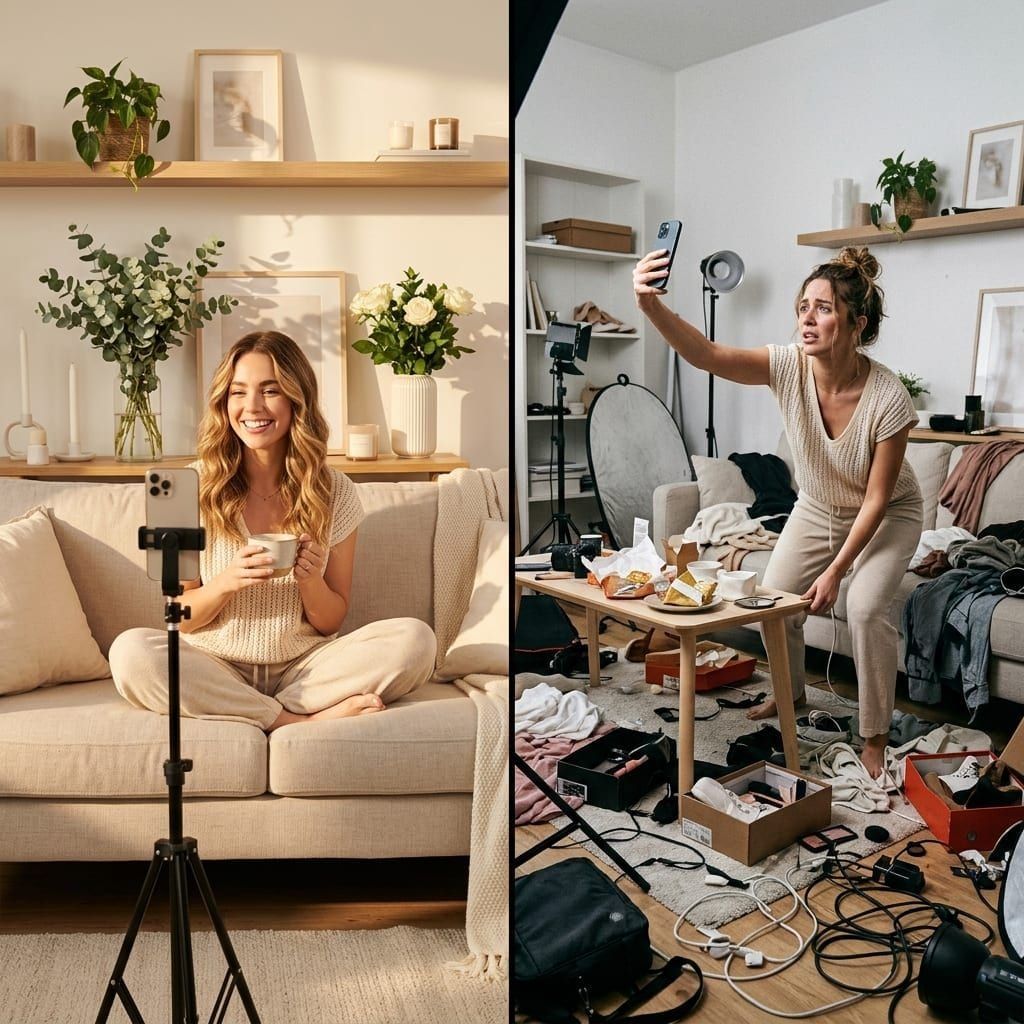
Every Instagram post represents the best version of someone's moment: the best angle, the best light, the best outfit, with filters applied and unflattering shots deleted. You are comparing your ordinary Tuesday — with its anxieties, mundanity, and imperfections — to the highlight reel of thousands of other people's best moments. This is a fundamentally unfair comparison that no human nervous system was designed to handle at scale.
How to Protect Your Self-Image From Instagram
Awareness alone helps, but it is not enough. The most effective interventions are structural. Curate your feed aggressively: unfollow anyone whose content consistently makes you feel worse about yourself. Follow accounts that show unfiltered, real-life content. Set a daily Instagram time limit. And use Pause to insert a 60-second breathing exercise before every Instagram session — that one minute of space gives your prefrontal cortex time to reassert realistic perspective before the scroll begins.