

Why Your Morning Phone Habit Is Costing You
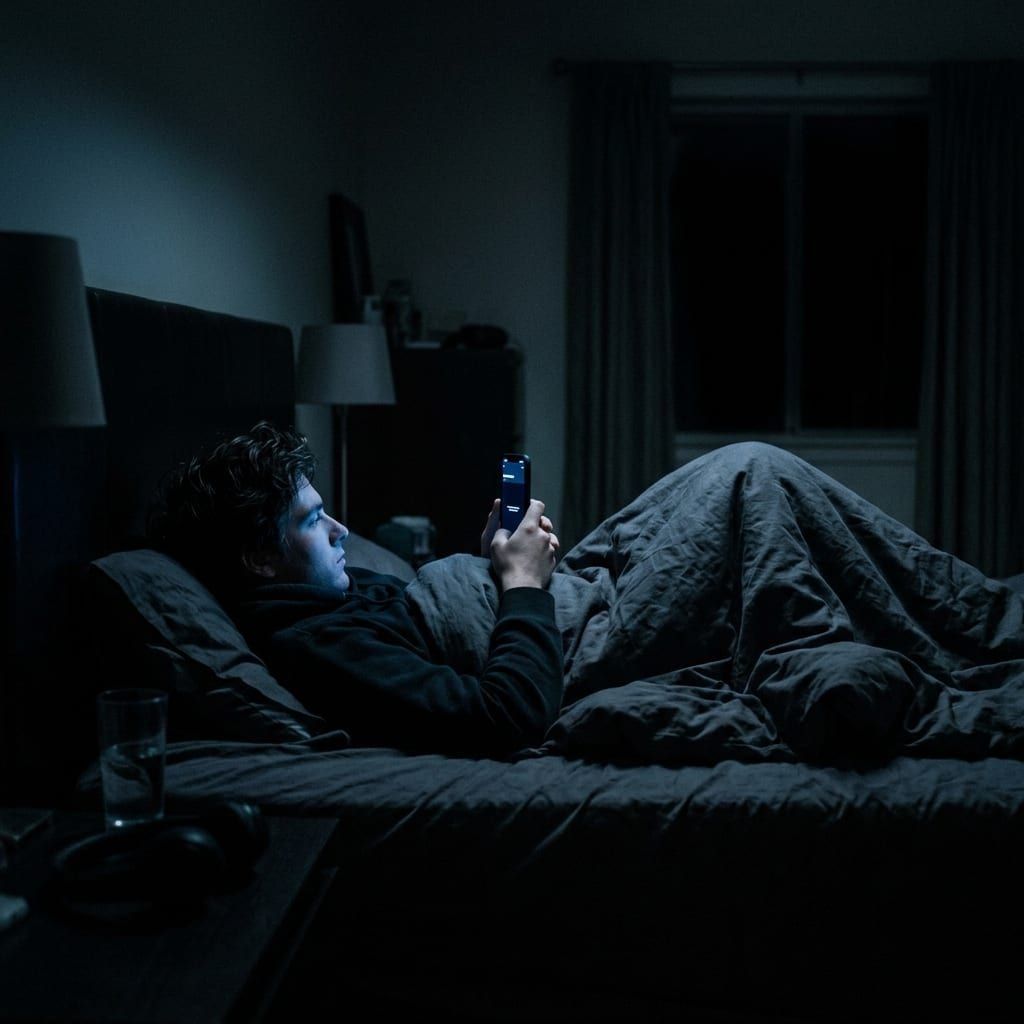
The average person checks their phone within 4 minutes of waking up. In doing so, they immediately hand control of their mental state to whoever sent the last email, posted the last story, or wrote the last news headline. Your brain in the first 30 minutes of the day is uniquely plastic — it is in a transitional state between sleep and full wakefulness, making it especially susceptible to the emotional content it encounters. A phone-free morning routine protects this window.
What a Phone-Free Morning Actually Does to Your Brain
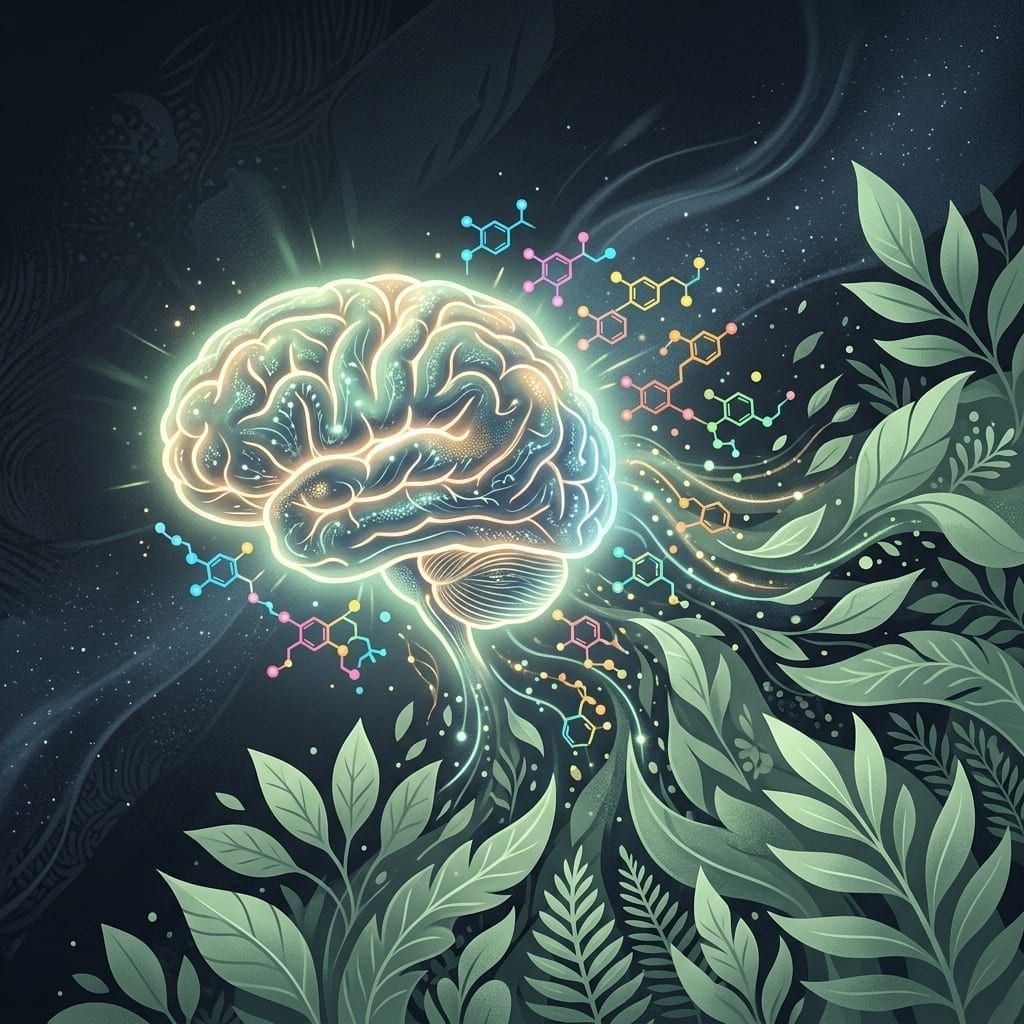
When you wake up without immediately checking your phone, your brain has time to consolidate the memories and insights from sleep, gently ramp up cortisol (your natural wake-up hormone) at its own pace, and set an intention for the day rather than reactively responding to others' agendas. Research from the University of California shows that people who avoid phones in the first hour of the day report significantly higher feelings of control, calm, and purposefulness throughout the rest of the day.
- Morning phone use spikes cortisol prematurely, creating a stress response before the day has begun.
- Social media first thing trains your brain to seek external validation before internal clarity.
- Email in the morning puts you in response mode rather than creation mode for the entire day.
How to Build Your Phone-Free Morning Routine
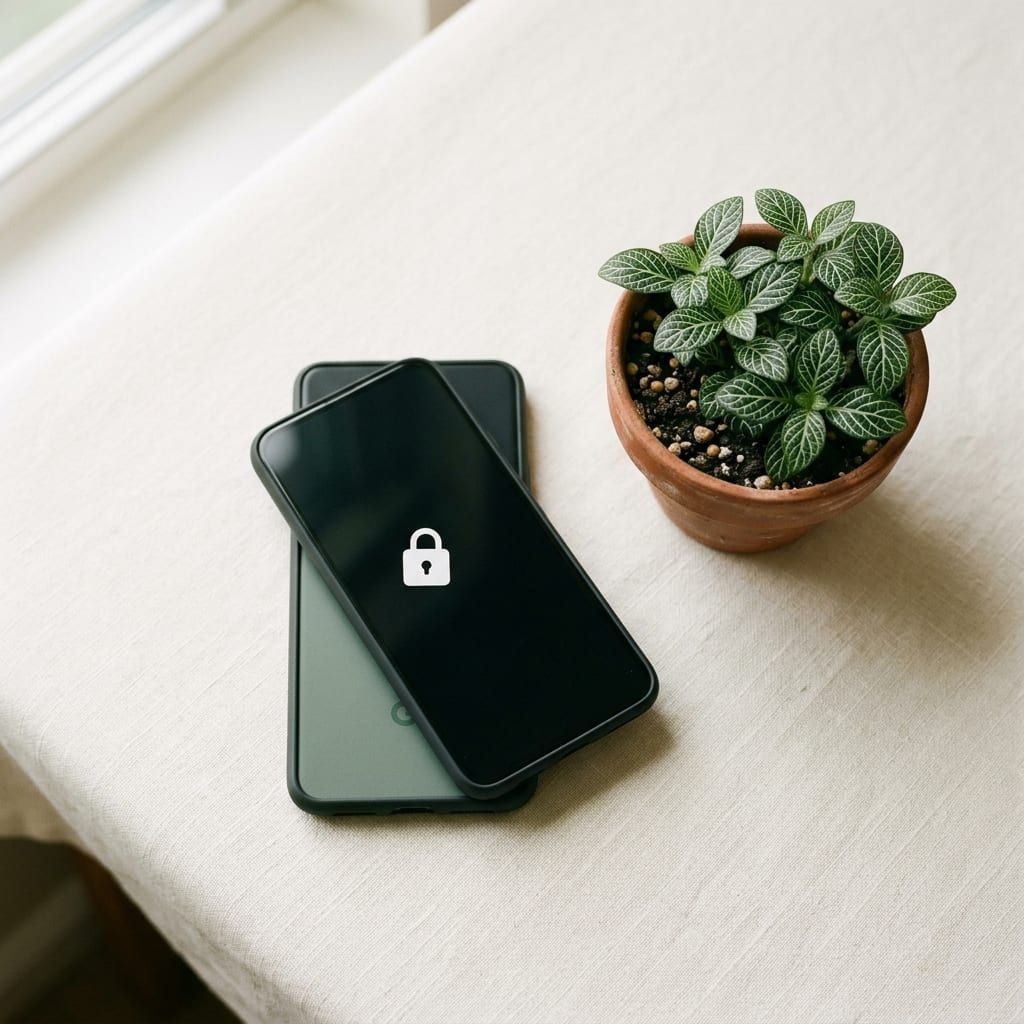
A sustainable phone-free morning routine does not require elaborate rituals. It requires removing the phone from the bedroom the night before. Charge your phone in another room and buy a simple alarm clock. When you wake up, give yourself 30 minutes — or even just 15 — before touching any screen. In that window, drink water, stretch, sit quietly with a coffee, read a few pages of a book, or simply think. The specific activity matters far less than the absence of the phone.
What to Do When You Feel the Urge to Check
The urge to check your phone in the morning is strongest in the first week of building the habit. When it hits, name it: 'I am feeling the urge to check my phone.' That simple act of labeling the feeling reduces its power significantly, a technique called affect labeling documented in neuroscience research. Keep a notepad on your nightstand. If you remember something important you need to do, write it down. The notepad gives your brain a safe place to deposit the thought without needing to open your phone.