
The First 72 Hours: Withdrawal Is Real
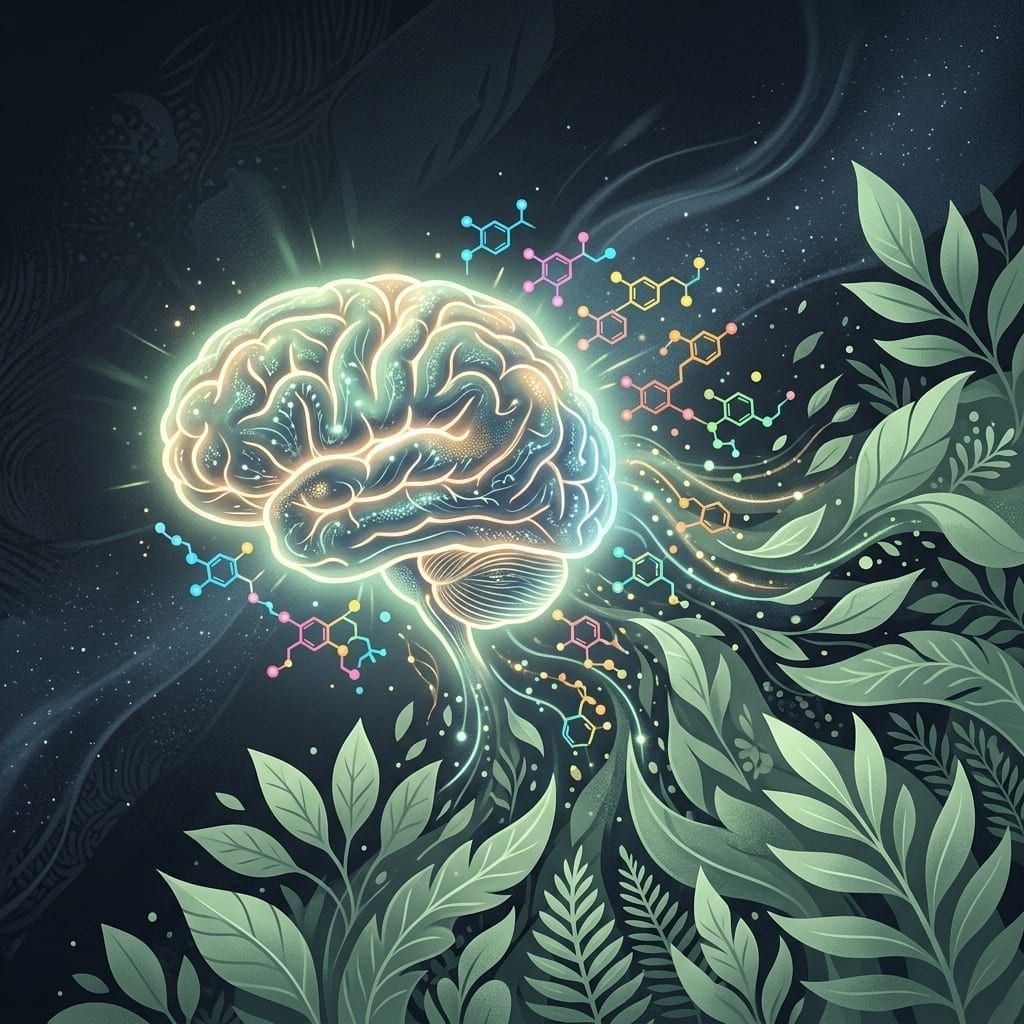
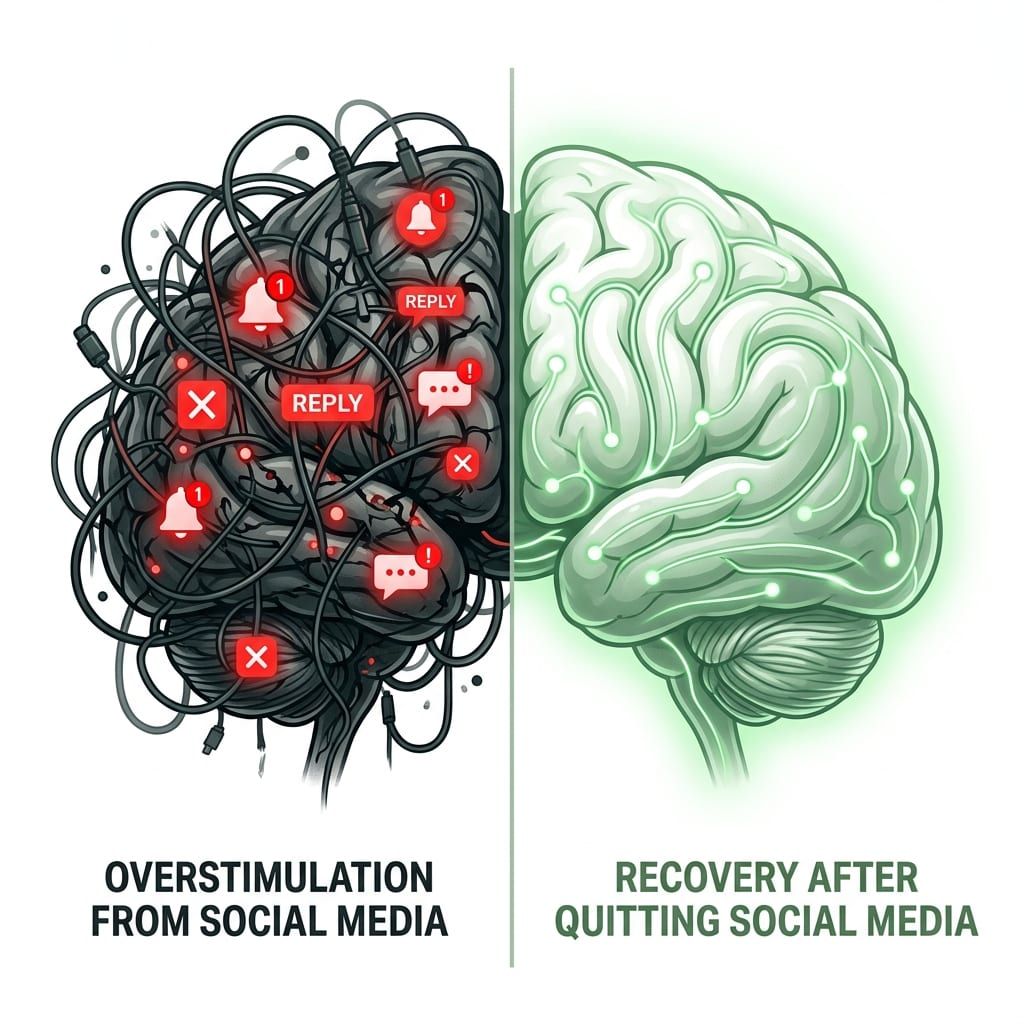
Most people who quit social media cold turkey report a surprisingly uncomfortable first 72 hours. Restlessness, irritability, a phantom urge to check their phone every few minutes, difficulty concentrating on slower activities like reading, and a pervasive sense that they are missing something important. This is not psychological weakness. It is a neurological response to the removal of a high-frequency dopamine source. Your brain has calibrated its baseline dopamine expectations to include dozens of social media rewards per day. The absence of those rewards triggers a genuine, measurable withdrawal response.
Days 4–14: Attention Span Begins to Recover
Research from the University of Bath found that students who quit social media for one week showed significant improvements in wellbeing, life satisfaction, and reduced anxiety compared to a control group. Within the first two weeks, most people report a measurable recovery of sustained attention — the ability to focus on a single task for longer periods without the compulsive urge to switch. Reading becomes easier. Work sessions run longer. The fragmented, interrupt-driven cognitive state that felt normal begins to lift.
- After 7 days without social media, participants showed a 23% improvement in life satisfaction scores.
- The average attention span has decreased from 12 seconds in 2000 to 8 seconds in 2024 — directly correlated with smartphone adoption.
- Sustained attention begins recovering within days of reducing social media use, not weeks.
Weeks 2–4: Anxiety Decreases, Sleep Improves
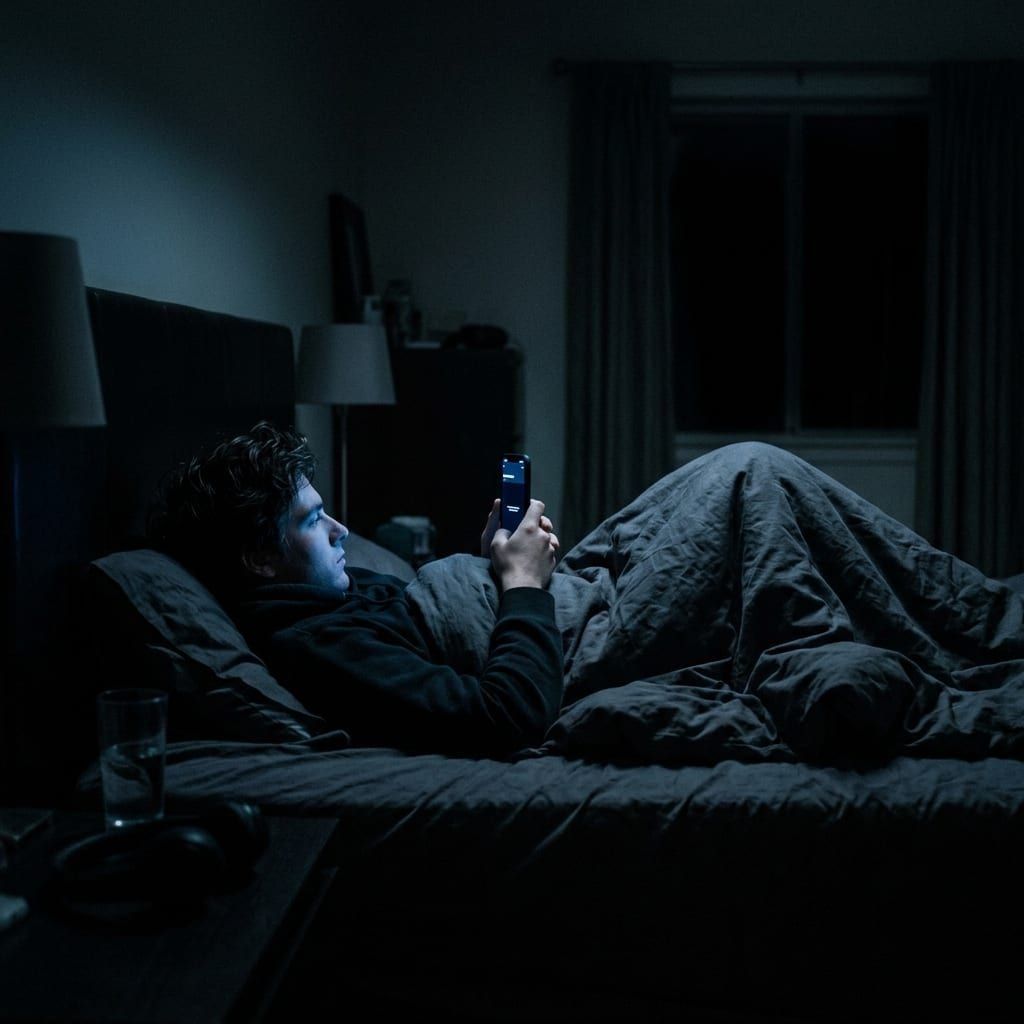
The second and third weeks typically bring the most noticeable quality-of-life improvements. Baseline anxiety — the low-level hum of social comparison, FOMO, and the sense of perpetual social monitoring — begins to quieten. Sleep quality improves as the cognitive and emotional activation from evening social media use is removed. Many people report a growing capacity for presence in offline experiences — conversations feel richer, nature feels more vivid, reading feels more immersive. These are not placebo effects. They reflect the nervous system returning to a lower-stimulation baseline.
Month 2 and Beyond: Dopamine Sensitivity Resets
The most significant and lasting change comes in the second month: dopamine sensitivity resets. When your brain is no longer flooded with high-frequency social media rewards, it becomes more responsive to lower-intensity pleasures — a walk, a conversation, a meal, a book. Things that felt boring or insufficient before social media quitting begin to feel genuinely satisfying. This is not a consolation prize. It is a genuine upgrade to your capacity for enjoyment. The overstimulated brain is a less happy brain. The reset is real.
You Don't Have to Quit Completely — Just Add a Pause
Quitting social media entirely works. But for most people it is not sustainable long-term. A more effective and durable approach is radical reduction combined with mindful friction. Use Pause to intercept every social media session with a 60-second breathing exercise. This one intervention — without deleting any apps or changing your phone settings — can produce many of the same neurological benefits as quitting, because it breaks the automatic trigger-reward cycle and restores your conscious agency over when and how you use these platforms. Your brain can heal. You just need to give it the space to do so.