
The Research: Social Media and Anxiety
A 2019 University of Pennsylvania study found that reducing social media use to 30 minutes per day led to significant reductions in loneliness and depression in just three weeks. The link between social media use and anxiety is not just correlational — the mechanisms are well-understood. These platforms are not accidentally anxiety-inducing. It is an engineered feature, not a bug.
How Social Media Algorithms Exploit Your Threat Response
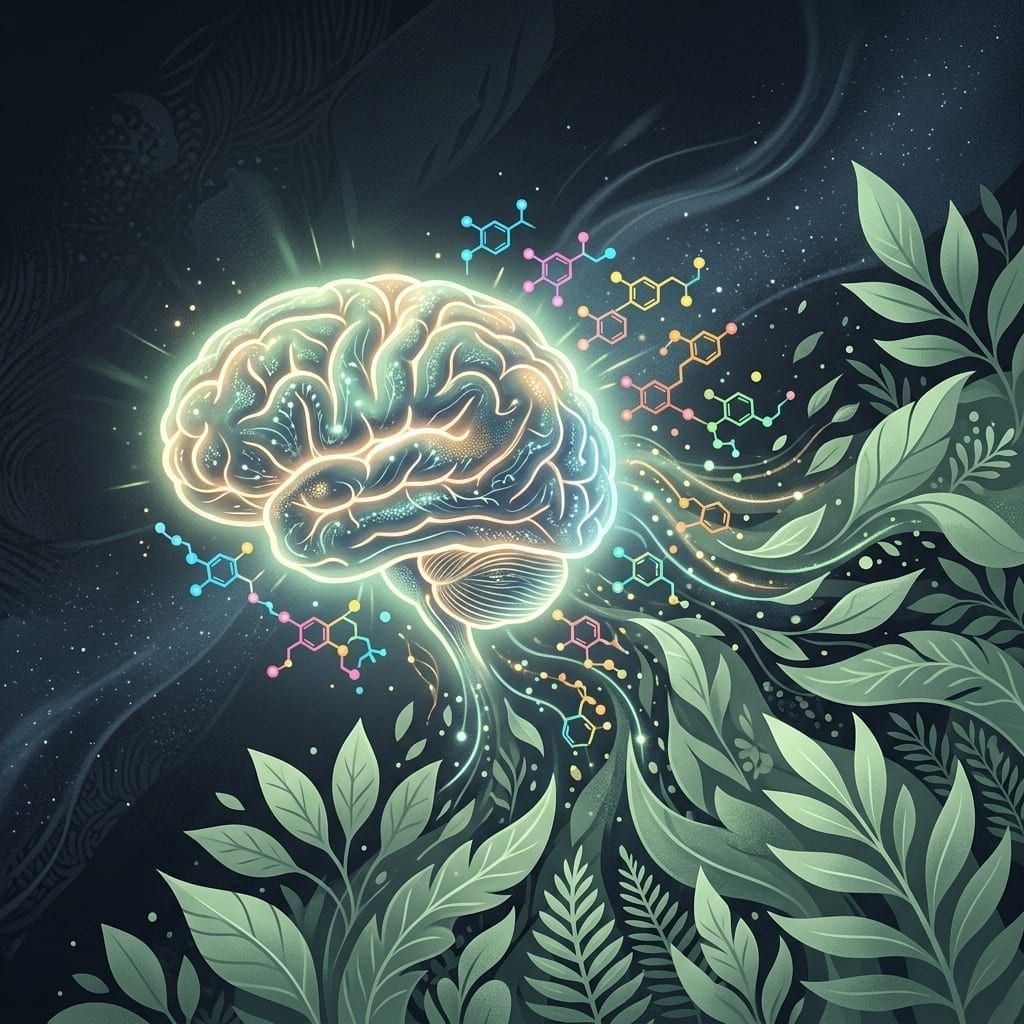
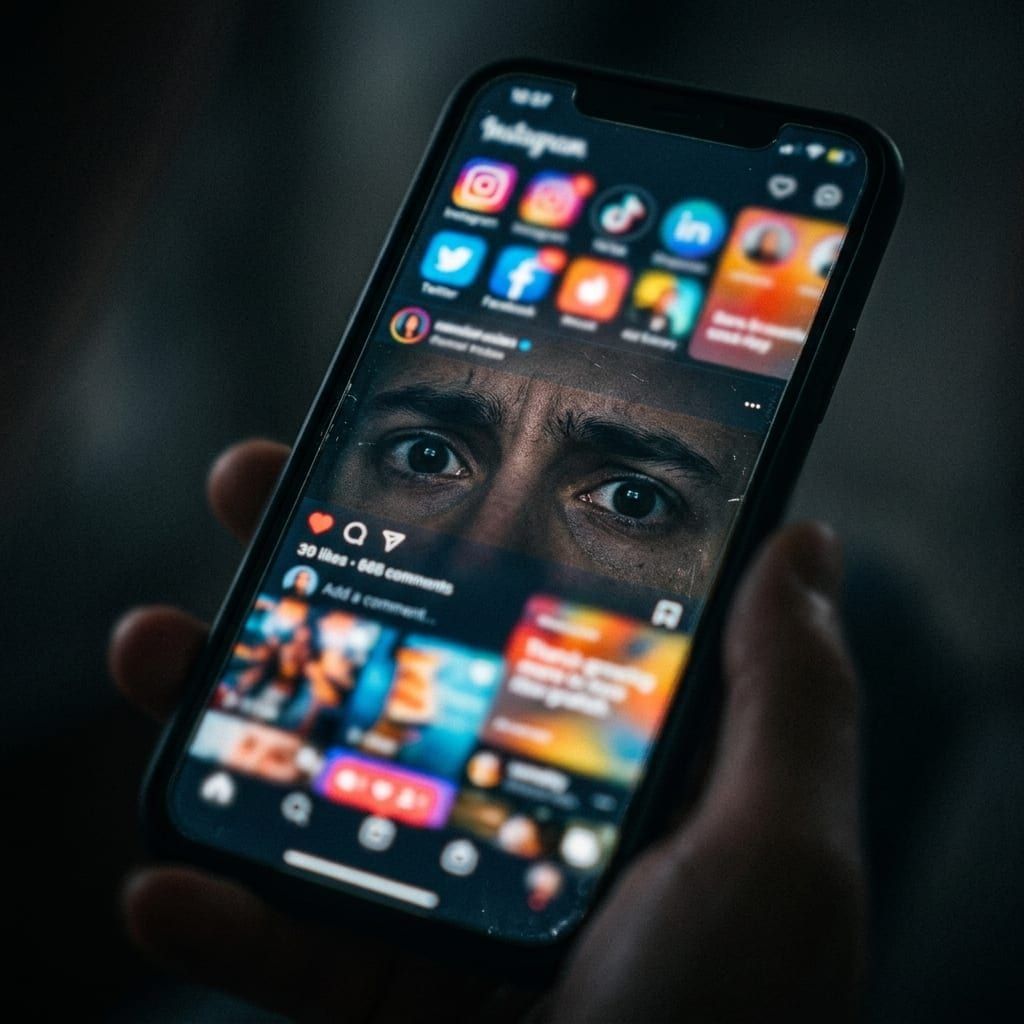
Social media algorithms are optimized for engagement, and research consistently shows that negative, threatening, or outrage-inducing content generates more engagement than positive content. Your feed is constantly being tuned to trigger your amygdala — the brain's threat-detection center. Anger and fear keep you on the platform longer, which is good for advertising revenue.
- Content triggering outrage generates 2-3x more comments and shares than neutral content.
- Fear-based content suppresses prefrontal cortex activity, impairing rational decision-making.
- Social comparison content ('everyone else is succeeding') is systematically amplified by the algorithm.
The Social Comparison Spiral That Erodes Self-Esteem
Social comparison is a natural human behavior — we use others as reference points to calibrate our own status and progress. But social media presents an inherently distorted comparison pool. You are comparing your ordinary Tuesday to everyone else's highlight reel. This creates a chronic, low-grade sense of inadequacy that erodes self-esteem gradually and silently.
The One Daily Habit That Interrupts Social Media Anxiety
You do not have to delete all your apps to break the anxiety spiral. You just need to interrupt the automatic reflex before the algorithm gets its hooks in. Using Pause, every time you open Instagram or TikTok, you get a mandatory 60-second breathing exercise. That one minute gives your prefrontal cortex time to reassert itself — to ask 'do I actually want to do this right now?' — and to make a conscious choice rather than an automatic one. Over time, this one daily habit fundamentally changes your relationship with social media anxiety.