
YouTube Is the World's Most Sophisticated Attention Machine
YouTube's recommendation algorithm is trained on one objective: maximise watch time. It has processed billions of hours of human viewing behaviour and learned with extraordinary precision which video to show you next to keep you watching for as long as possible. This is not a neutral content discovery tool. It is an engagement maximisation engine that learns your psychological vulnerabilities — the topics that make you curious, the emotions that keep you clicking, the rabbit holes you are most susceptible to — and uses them against you. Understanding this is the first step to breaking YouTube addiction.
The Autoplay Mechanism and Why It Is Genius
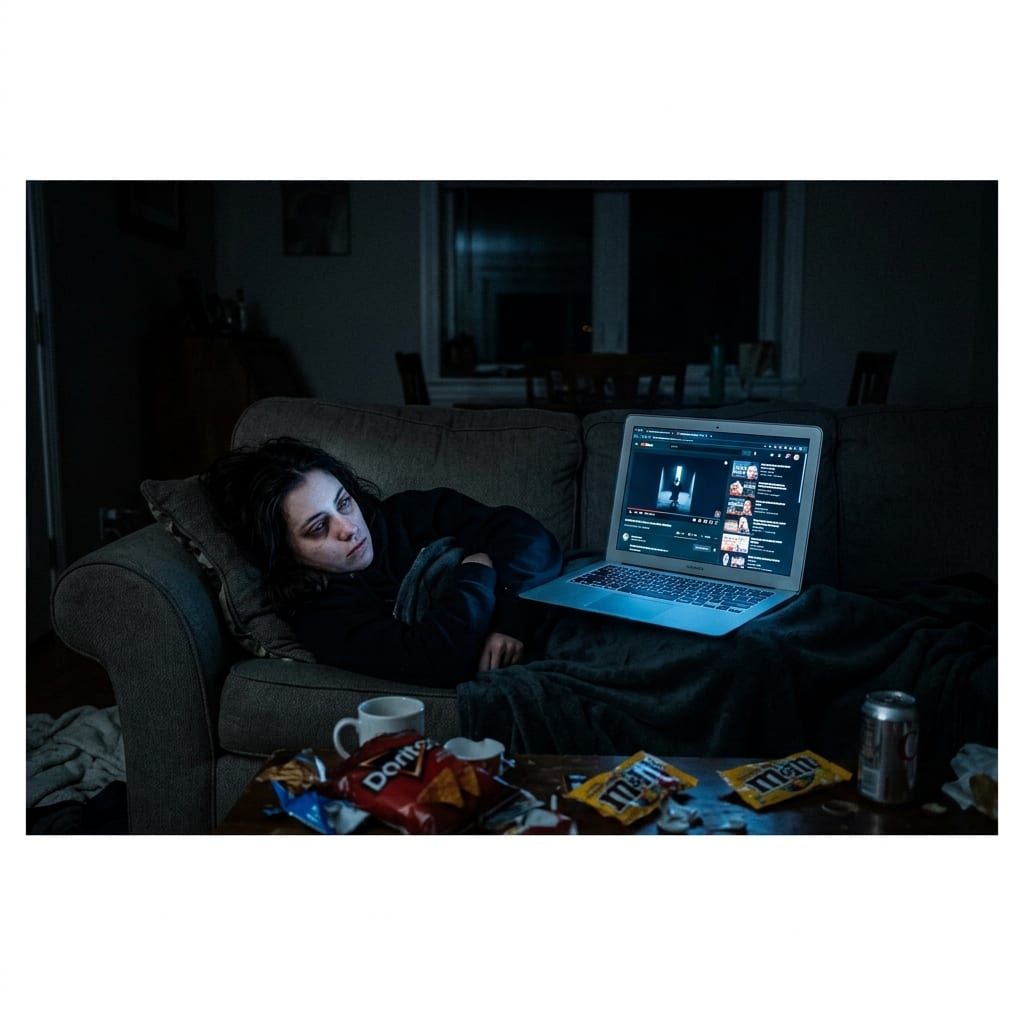
YouTube's autoplay feature exploits a fundamental principle of human psychology: we tend to continue what we are already doing unless we have a specific reason to stop. When a video ends, the cognitive load of actively choosing to stop is higher than the cognitive load of letting the next video start. The 5-second countdown timer creates just enough momentum to carry you from video to video indefinitely without any active decision to continue. You are not choosing to watch for three hours. You are repeatedly choosing not to stop.
- YouTube serves over 500 hours of video per minute — enough new content to watch for 82 years without repeating.
- The recommendation algorithm accounts for 70% of all content watched on YouTube.
- Average YouTube session length is 42 minutes — significantly longer than any other video platform.
Signs Your YouTube Use Has Become Addictive
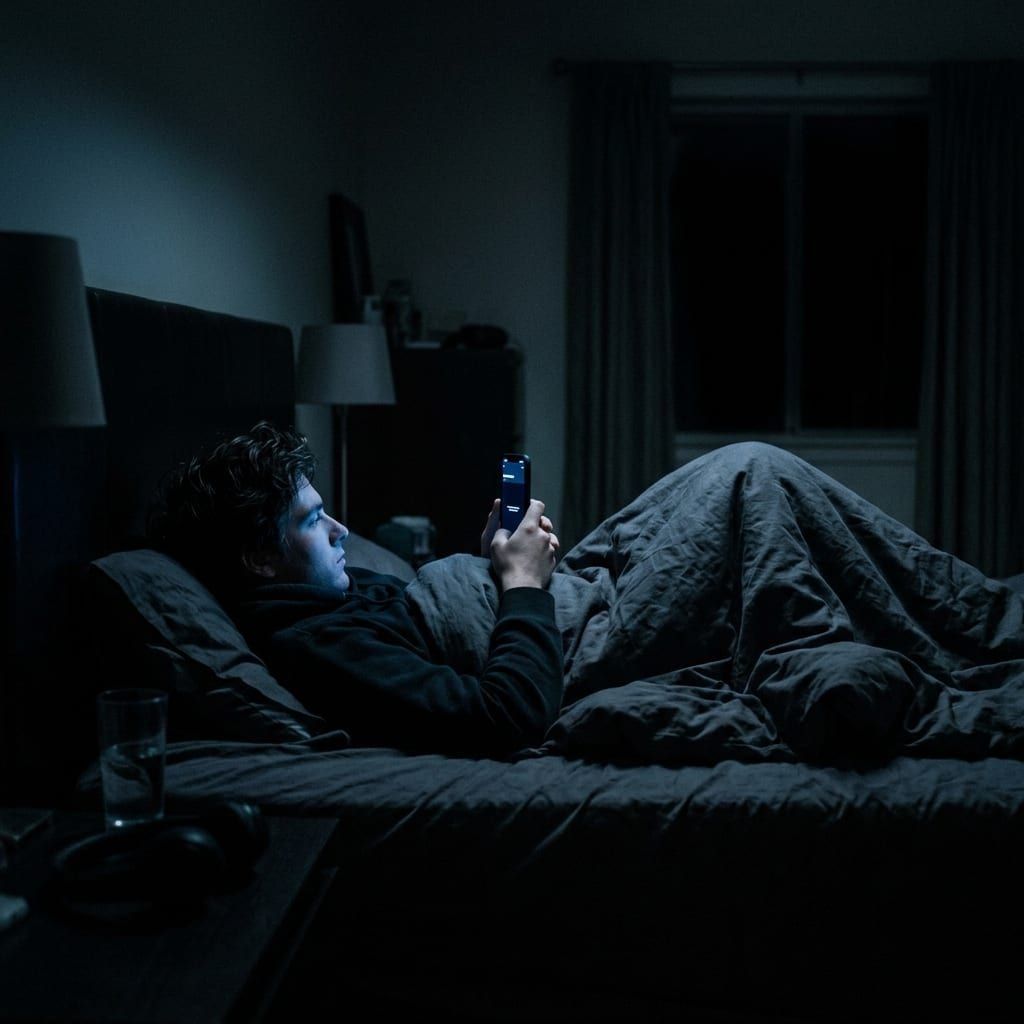
The key distinction between healthy and addictive YouTube use is not hours — it is loss of intentional control. If you regularly open YouTube with a specific video in mind and end up watching something completely unrelated for far longer than you intended, that is the autoplay algorithm overriding your intentions. Other signs: watching YouTube as a default response to any moment of boredom or discomfort, feeling irritable or restless when you cannot watch, watching videos you do not actually enjoy because stopping feels harder than continuing.
Practical Strategies to Break YouTube Addiction
The most effective intervention is turning off autoplay — this single change removes the mechanism responsible for the majority of unintentional watch time. Next, remove YouTube from your phone home screen so opening it requires deliberate navigation. On desktop, use a browser extension that replaces the YouTube homepage with a blank page so you land on your specific video rather than a feed of recommendations. Set a timer before you start watching so that when it goes off, stopping requires a conscious choice to continue rather than continuing being the default.
Using Pause to Create Mindful YouTube Habits
Pause works with YouTube by intercepting the moment you open the app on your phone with a 60-second breathing exercise. This pause breaks the automatic 'bored → open YouTube' loop at the exact moment the trigger fires. Combined with your own If-Then plan — 'when I feel the urge to open YouTube, I will check in with what I actually want to do' — this creates the space for intentional rather than compulsive viewing. Over time, YouTube becomes a tool you use deliberately rather than a habit you fall into.